
Butterfly Gardens for Endangered Species: A Smart Guide

Creating butterfly gardens for endangered species is a powerful way to support their survival. By planting native host and nectar plants, providing water sources, and avoiding pesticides, you can create a safe haven for these beautiful and vital pollinators. Your garden can become a crucial part of a larger conservation effort.
Butterflies bring beauty and joy to our lives, but many species are facing serious threats. Habitat loss, pesticide use, and climate change are all taking a toll. It can feel overwhelming, but there’s something simple and rewarding you can do: create a butterfly garden specifically designed to help endangered species. It’s easier than you think, and the impact can be huge. Ready to learn how to transform your backyard into a haven for these amazing creatures? Let’s get started!
Why Butterfly Gardens Matter for Endangered Species

Butterfly gardens aren’t just pretty; they’re essential for the survival of many endangered butterfly species. These gardens provide crucial resources that butterflies need to thrive. Let’s dive deeper into why these gardens are so important.
The Importance of Host Plants
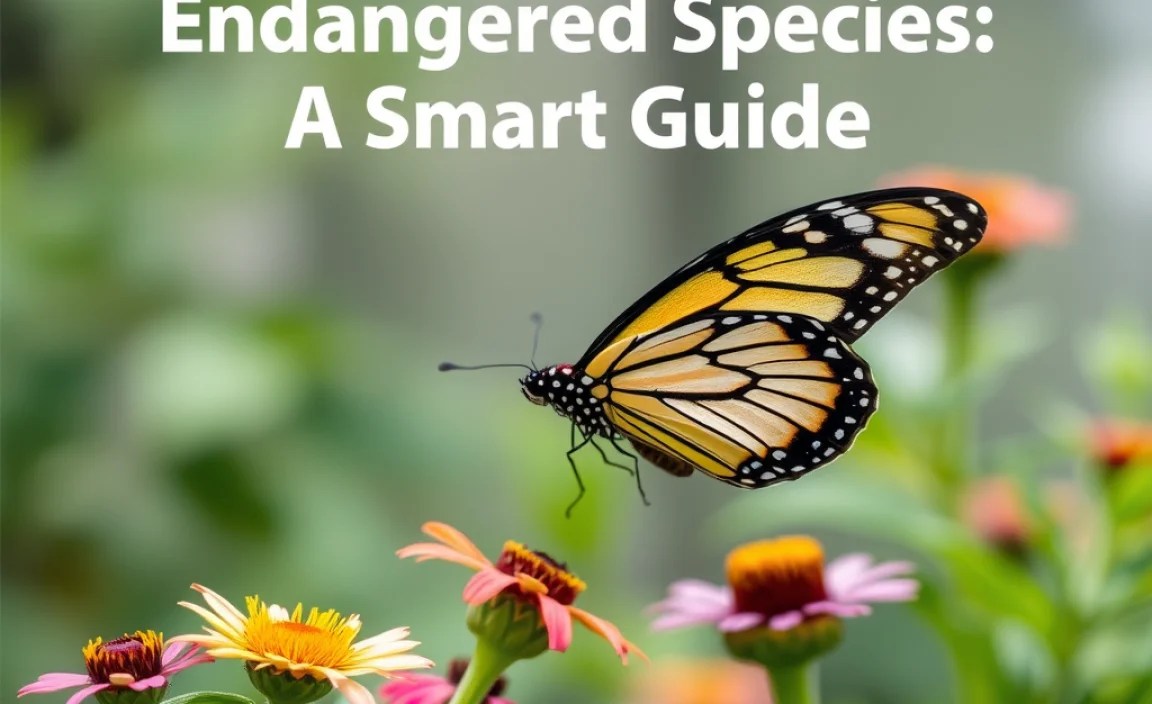
Host plants are the specific plants that butterfly caterpillars need to eat to grow and develop. Each butterfly species has its preferred host plants, and without them, they simply cannot complete their life cycle. For example, the Monarch butterfly relies exclusively on milkweed plants as its host. Planting the right host plants is the most important thing you can do to support endangered butterflies.
Nectar Plants for Adult Butterflies
Adult butterflies need nectar as their primary source of energy. Nectar provides the sugars they need to fly, mate, and lay eggs. A butterfly garden should include a variety of nectar-rich plants that bloom at different times of the year to provide a continuous food supply. Native nectar plants are often the best choice, as butterflies have evolved alongside them and are well-adapted to feed on their nectar.
Creating a Safe Haven
Butterfly gardens also provide a safe place for butterflies to escape predators and avoid harmful pesticides. By creating a pesticide-free environment with plenty of shelter, you can help butterflies thrive. This is especially important for endangered species, which are already facing numerous threats.
Choosing the Right Location and Plants
The success of your butterfly garden depends on choosing the right location and plants. Here’s how to set up your garden for success:
Sunlight and Shelter
Butterflies need plenty of sunlight to warm their bodies and fuel their flight. Choose a location that receives at least six hours of direct sunlight per day. It’s also important to provide shelter from wind and rain. Plant shrubs or trees around the perimeter of your garden to create a protected microclimate. Butterflies also need places to perch and bask in the sun, like flat rocks.
Soil Preparation
Most butterfly host and nectar plants prefer well-drained soil. Before planting, amend your soil with compost or other organic matter to improve drainage and fertility. Avoid using chemical fertilizers, as these can harm butterflies and other beneficial insects. Native plants generally thrive in native soil conditions, so you might not need to amend the soil at all.
Selecting Native Plants
Native plants are the best choice for butterfly gardens because they are adapted to the local climate and soil conditions and are the preferred food source for native butterflies. Contact your local native plant society or cooperative extension office for a list of native plants that are suitable for your area. Here are some examples of host plants for specific endangered species:
- Monarch Butterfly: Milkweed (Asclepias species)
- Karner Blue Butterfly: Wild Lupine (Lupinus perennis)
- Miami Blue Butterfly: Gray Nickerbean (Caesalpinia bonduc)
Also, consider nectar plants that bloom at different times throughout the growing season to provide a continuous food source for adult butterflies.
Step-by-Step Guide to Creating Your Butterfly Garden

Ready to get your hands dirty? Here’s a step-by-step guide to creating a butterfly garden that will help endangered species thrive:
Step 1: Planning Your Garden
Before you start digging, take some time to plan your garden. Consider the following factors:
- Available Space: How much space do you have to work with?
- Sunlight: How many hours of direct sunlight does the area receive?
- Soil Type: What type of soil do you have (sandy, clay, loamy)?
- Endangered Species: Which endangered butterfly species are found in your area?
- Plant Selection: Choose native host and nectar plants that are appropriate for your area and the endangered species you want to attract.
Sketch out a rough design of your garden on paper. This will help you visualize the layout and ensure that you have enough space for all of your plants.
Step 2: Preparing the Soil
Once you have a plan, it’s time to prepare the soil. Remove any grass or weeds from the area and loosen the soil with a garden fork or tiller. Amend the soil with compost or other organic matter to improve drainage and fertility. If your soil is very poor, you may need to replace it with a high-quality garden soil mix.
Step 3: Planting Your Plants
Now comes the fun part: planting your plants! Dig holes that are slightly larger than the root balls of your plants and carefully place them in the holes. Backfill with soil and gently tamp down. Water the plants thoroughly after planting.
Step 4: Providing Water
Butterflies need water to stay hydrated. Provide a shallow dish of water with pebbles or marbles for them to land on. This will prevent them from drowning. You can also create a mud puddle by wetting a small area of soil. Butterflies will gather at the mud puddle to drink and absorb minerals.
Step 5: Avoiding Pesticides
Pesticides are harmful to butterflies and other beneficial insects. Avoid using any pesticides in your butterfly garden. If you have a pest problem, try using natural methods of control, such as hand-picking pests off of plants or using insecticidal soap. Encourage natural predators like birds and ladybugs.
Step 6: Maintaining Your Garden
Butterfly gardens require regular maintenance to keep them healthy and attractive. Water your plants regularly, especially during dry spells. Weed your garden to prevent weeds from competing with your plants. Deadhead spent flowers to encourage more blooms. Prune your plants as needed to keep them from becoming overgrown.
Specific Plants to Attract Endangered Butterflies

Choosing the right plants is crucial for attracting and supporting endangered butterflies. Here’s a table with some examples of endangered butterfly species and the host plants they rely on:
| Endangered Butterfly Species | Host Plant(s) | Nectar Plants |
|---|---|---|
| Monarch Butterfly (Danaus plexippus) | Milkweed (Asclepias spp.) | Butterfly Bush (Buddleja davidii), Zinnia (Zinnia elegans), Aster (Aster spp.) |
| Karner Blue Butterfly (Lycaeides melissa samuelis) | Wild Lupine (Lupinus perennis) | Butterfly Weed (Asclepias tuberosa), New Jersey Tea (Ceanothus americanus) |
| Miami Blue Butterfly (Cyclargus thomasi bethune-bakeri) | Gray Nickerbean (Caesalpinia bonduc), Balloon Vine (Cardiospermum halicacabum) | Beach Creeper (Ernodea littoralis), Bay Cedar (Suriana maritima) |
| Oregon Silverspot Butterfly (Speyeria zerene hippolyta) | Early Blue Violet (Viola adunca) | Gumweed (Grindelia integrifolia), Pearly Everlasting (Anaphalis margaritacea) |
| Palos Verdes Blue Butterfly (Glaucopsyche lygdamus palosverdesensis) | Locoweed (Astragalus trichopodus lonchus) | California Buckwheat (Eriogonum fasciculatum), Deerweed (Acmispon glaber) |
Remember to research which endangered butterfly species are native to your area and choose plants accordingly. Your local native plant society or cooperative extension office can provide valuable information on plant selection.
Additional Tips for Success
Here are some additional tips to help you create a successful butterfly garden for endangered species:
- Plant in Groups: Plant host and nectar plants in groups to make them easier for butterflies to find.
- Provide Basking Spots: Place flat rocks or pavers in your garden for butterflies to bask in the sun.
- Offer Shelter: Provide shelter from wind and rain by planting shrubs or trees around the perimeter of your garden.
- Avoid Insecticides: Never use insecticides in your butterfly garden, as they can harm or kill butterflies and other beneficial insects.
- Educate Others: Share your knowledge and enthusiasm for butterflies with others. Encourage your friends, family, and neighbors to create their own butterfly gardens.
Engaging the Community
Creating a butterfly garden can be a solitary act, but it can also be a community effort. Here are some ways to involve your community in your butterfly garden project:
Organize a Planting Day
Invite friends, family, and neighbors to help you plant your butterfly garden. This is a great way to get everyone involved and share your passion for butterflies. Provide refreshments and make it a fun and educational event.
Partner with Local Organizations
Collaborate with local schools, garden clubs, or conservation organizations to create a butterfly garden in a public space. This is a great way to raise awareness about endangered butterflies and promote conservation efforts. You can also work with these organizations to provide educational programs and workshops about butterflies.
Share Your Knowledge
Offer to give presentations or workshops about butterfly gardening to local groups. Share your knowledge and experience with others and inspire them to create their own butterfly gardens. You can also write articles or blog posts about your butterfly garden and share them online.
Documenting Your Success
Tracking your progress and documenting your success is an important part of creating a butterfly garden. Here are some ways to document your butterfly garden:
Keep a Journal
Keep a journal to record your observations and track the progress of your butterfly garden. Note the dates when you plant new plants, when you see the first butterflies, and any other interesting observations. This will help you learn more about butterflies and improve your gardening skills.
Take Photos
Take photos of your butterfly garden throughout the year. This will allow you to see how your garden changes over time and document the different butterfly species that visit your garden. Share your photos online or with local organizations.
Participate in Citizen Science Projects
Contribute to citizen science projects that track butterfly populations and migration patterns. This is a great way to contribute to scientific research and learn more about butterflies. The Xerces Society offers many opportunities for citizen scientists to get involved in butterfly conservation.
FAQ About Butterfly Gardens for Endangered Species
Here are some frequently asked questions about creating butterfly gardens for endangered species:
What is the most important thing I can do to help endangered butterflies?
Planting native host plants is the most crucial step. Caterpillars need these specific plants to survive and grow.
How do I know which plants are native to my area?
Contact your local native plant society or cooperative extension office. They can provide a list of native plants that are suitable for your area.
Do I need a large yard to create a butterfly garden?
No, even a small balcony or patio can be transformed into a butterfly garden. Use containers to grow host and nectar plants.
How can I attract butterflies to my garden quickly?
Plant a variety of nectar-rich flowers that bloom at different times of the year. Also, provide a shallow dish of water with pebbles for butterflies to drink from.
Are pesticides harmful to butterflies?
Yes, pesticides can harm or kill butterflies and other beneficial insects. Avoid using any pesticides in your butterfly garden.
What if I don’t have a green thumb?
Start small and choose plants that are easy to grow. Don’t be afraid to ask for help from local gardening experts. Gardening should be enjoyable, so take it one step at a time!
How do I protect my butterfly garden from harsh weather?
Choose plants that are hardy in your climate. Provide shelter from wind and rain by planting shrubs or trees around the perimeter of your garden. You can also use row covers or other protective measures during extreme weather events.
Conclusion
Creating a butterfly garden for endangered species is a rewarding and impactful way to contribute to conservation efforts. By providing essential resources like host plants, nectar, and a safe haven, you can help these beautiful creatures thrive. Remember, every little bit helps, and even a small butterfly garden can make a big difference. So, get out there, start planting, and enjoy the magic of butterflies in your own backyard! Let’s all do our part to ensure that future generations can enjoy the beauty and wonder of these amazing creatures.


