Butterfly-Friendly Fencing: Create a Vibrant Yard

Creating butterfly-friendly fencing involves choosing natural materials, minimizing pesticides, and incorporating nectar-rich plants. Opt for open designs that allow butterflies to fly through and consider adding climbing plants that provide food and shelter. A thoughtful fence design can transform your yard into a haven for butterflies!
Are you dreaming of a garden filled with fluttering wings? Butterflies bring so much beauty to our yards, and a butterfly-friendly fence can be a wonderful first step. But typical fences can sometimes be barriers. They might block butterflies’ flight paths, get treated with harmful chemicals, or simply offer no benefit to these delightful creatures.
Don’t worry! It’s easier than you think to create a fence that helps, not hinders, your local butterfly population. We’ll guide you through simple steps to choose the right materials, plants, and designs. Get ready to transform your fence into a beautiful butterfly buffet!
What Makes a Fence Butterfly-Friendly?

Butterfly-friendly fencing goes beyond simply marking a boundary. It’s about creating a habitat that supports these delicate insects. Here’s what to consider:
- Safe Materials: Avoid treated wood and harsh chemicals that can harm butterflies and their caterpillars.
- Plant Integration: Incorporate nectar-rich flowers and host plants that provide food and shelter.
- Open Design: Choose designs that allow butterflies to easily fly through and around the fence.
- Pesticide-Free Zone: Commit to avoiding pesticides near the fence to protect butterflies from harmful chemicals.
Choosing the Right Materials for Butterfly-Friendly Fencing

The materials you use for your fence play a significant role in its impact on butterflies. Natural, untreated options are always best.
Wood
Untreated wood is a great option. Cedar and redwood are naturally rot-resistant, so you won’t need to treat them with harmful chemicals. Look for Forest Stewardship Council (FSC) certified wood to ensure it comes from responsibly managed forests.
Metal
Metal fences, especially wrought iron, can be beautiful and long-lasting. However, they can get hot in the sun, which isn’t ideal for butterflies. Consider painting a metal fence a light color to reflect heat, or better yet, cover it with climbing plants.
Bamboo
Bamboo is a sustainable and attractive fencing option. It’s lightweight and easy to work with, but it may not be as durable as wood or metal in some climates.
Living Fences
A living fence is made entirely of plants! This is the most butterfly-friendly option, providing food, shelter, and a beautiful natural barrier. We’ll discuss plant options in more detail later.
Designing a Butterfly-Friendly Fence

The design of your fence is just as important as the materials you use. Here are some design considerations to keep in mind.
Open Spaces
Solid fences can block butterfly flight paths. Choose a design with gaps or openings that allow butterflies to easily move through your yard. Picket fences, lattice fences, and fences with decorative cutouts are good options.
Height
Consider the height of your fence. A lower fence is generally more butterfly-friendly than a tall, imposing one. Butterflies prefer to fly low to the ground, especially in windy conditions.
Climbing Plants
Adding climbing plants to your fence is a fantastic way to create a butterfly habitat. Choose plants that provide nectar for adult butterflies and serve as host plants for caterpillars.
Top Plants to Attract Butterflies to Your Fence

Now for the fun part: choosing plants! The right plants will transform your fence into a butterfly magnet. Here are some top choices for both nectar and host plants.
Nectar Plants
Nectar plants provide food for adult butterflies. Choose a variety of plants that bloom at different times of the year to provide a continuous food source.
- Butterfly Bush (Buddleja davidii): A classic butterfly magnet with long, fragrant flower spikes.
- Lantana (Lantana camara): Produces clusters of colorful flowers that butterflies love.
- Zinnia (Zinnia elegans): Easy to grow and comes in a wide range of colors.
- Purple Coneflower (Echinacea purpurea): A native wildflower that attracts many butterfly species.
- Bee Balm (Monarda): Offers vibrant blooms and attracts bees and hummingbirds as well.
Host Plants
Host plants are essential for butterfly reproduction. These are the plants that caterpillars feed on. Without host plants, butterflies can’t complete their life cycle.
- Milkweed (Asclepias): The only food source for Monarch caterpillars. Plant several varieties to support Monarch populations. You can source milkweed from nurseries or seed companies specializing in native plants (Xerces Society is a great resource!).
- Parsley, Dill, Fennel: Host plants for Swallowtail butterflies.
- Spicebush (Lindera benzoin): Host plant for Spicebush Swallowtail butterflies.
- Violets (Viola): Host plant for Fritillary butterflies.
Climbing Plants for Fences
These plants can be trained to grow along your fence, providing both nectar and host plant opportunities.
- Honeysuckle (Lonicera): Offers fragrant flowers that attract hummingbirds and butterflies. Choose native varieties to avoid invasive species.
- Clematis (Clematis): A beautiful flowering vine that comes in many colors.
- Passionflower (Passiflora): A unique and exotic-looking flower that is a host plant for Gulf Fritillary butterflies.
- Pipevine (Aristolochia): Host plant for Pipevine Swallowtail butterflies.
Creating a Living Fence
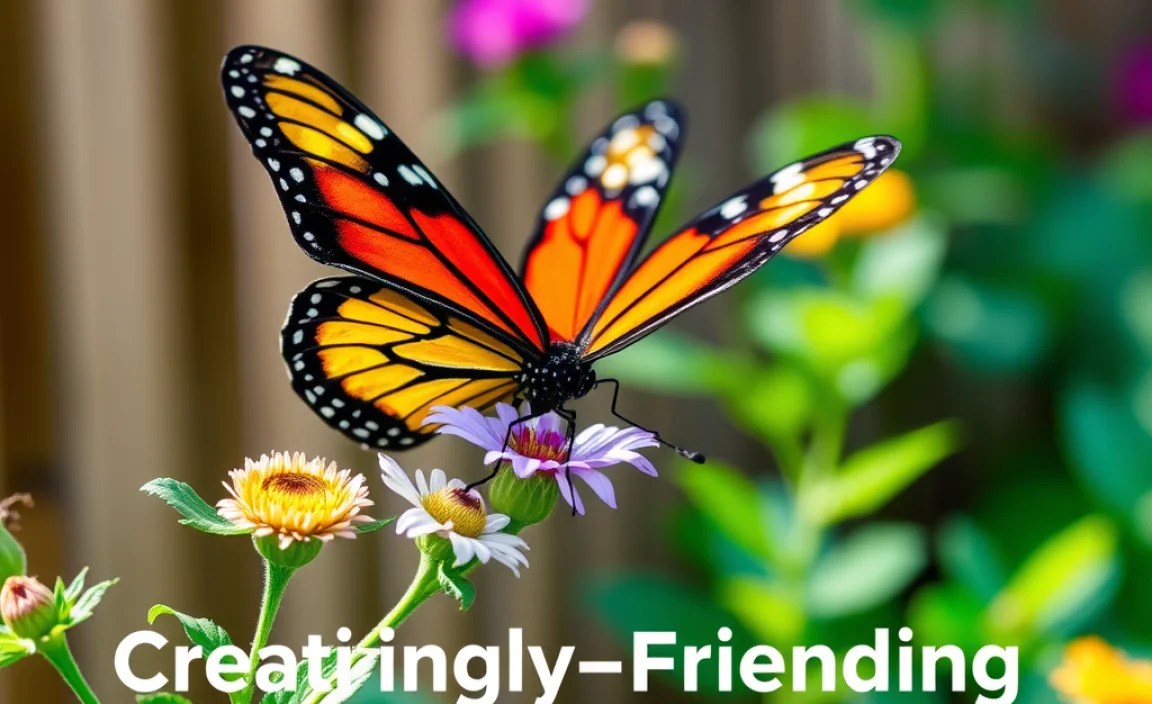
A living fence is the ultimate butterfly-friendly option. It’s a fence made entirely of plants, providing food, shelter, and a beautiful natural barrier. Here’s how to create one:
- Choose Your Plants: Select a variety of shrubs and small trees that are native to your area and provide food and shelter for butterflies.
- Prepare the Soil: Dig a trench along the line where you want your fence to be. Amend the soil with compost and other organic matter.
- Plant Your Plants: Space the plants according to their mature size. Water them well after planting.
- Provide Support: Use stakes or a temporary fence to support the plants as they grow.
- Maintain Your Fence: Prune and trim your plants regularly to maintain the desired shape and size.
Protecting Butterflies from Predators
While attracting butterflies is wonderful, it’s also important to protect them from predators. Here are some tips:
Provide Shelter
Dense shrubs and trees can provide shelter for butterflies from birds and other predators.
Avoid Pesticides
Pesticides can harm or kill butterflies and their caterpillars. Avoid using pesticides in your yard, especially near your fence.
Consider a Butterfly House
A butterfly house can provide a safe place for butterflies to rest and escape from predators. However, keep in mind that butterfly houses are more for decoration and observation, as butterflies typically prefer natural shelters.
Maintaining Your Butterfly-Friendly Fence
A butterfly-friendly fence requires some ongoing maintenance to keep it thriving.
Watering
Water your plants regularly, especially during dry periods.
Fertilizing
Fertilize your plants with a natural fertilizer in the spring.
Pruning
Prune your plants regularly to maintain their shape and encourage new growth.
Weeding
Keep your fence free of weeds. Weeds can compete with your butterfly plants for resources.
Pest Control
If you have pest problems, use natural pest control methods, such as introducing beneficial insects or using insecticidal soap.
The Benefits of Butterfly-Friendly Fencing
Creating a butterfly-friendly fence has many benefits, both for you and for the environment.
- Attracts Butterflies: A butterfly-friendly fence will attract a variety of butterfly species to your yard.
- Provides Habitat: It provides food, shelter, and breeding grounds for butterflies and other beneficial insects.
- Beautifies Your Yard: A fence covered in flowers and greenery is a beautiful addition to any landscape.
- Supports Pollinators: Butterflies are important pollinators, helping to keep our gardens and ecosystems healthy. The Smithsonian Gardens provide valuable insights into the importance of pollinators.
- Reduces Pesticide Use: By creating a butterfly-friendly habitat, you can reduce your reliance on pesticides.
Butterfly-Friendly Fencing: Examples and Inspiration
Here’s a table showcasing some different fencing options and how to make them butterfly-friendly:
| Fence Type | Materials | Butterfly-Friendly Adaptations |
|---|---|---|
| Picket Fence | Untreated wood (cedar, redwood) | Leave gaps between pickets, add climbing nectar plants like honeysuckle. |
| Lattice Fence | Wood, vinyl | Plant climbing host plants like passionflower or pipevine. |
| Wrought Iron Fence | Metal | Paint a light color, encourage climbing plants to cover the metal. |
| Bamboo Fence | Bamboo stalks | Interplant with nectar-rich flowers like zinnias and coneflowers. |
| Living Fence | Shrubs, small trees | Choose native species that provide both nectar and host plant opportunities. |
Cost Considerations for Butterfly-Friendly Fencing
The cost of creating a butterfly-friendly fence can vary widely depending on the materials you choose, the size of your fence, and whether you hire a professional installer. Here’s a breakdown of potential costs:
| Item | Estimated Cost |
|---|---|
| Untreated Wood (per linear foot) | $5 – $15 |
| Metal Fence (per linear foot) | $20 – $50 |
| Bamboo Fence (per panel) | $50 – $150 |
| Plants (per plant) | $10 – $30 |
| Soil Amendments (compost, fertilizer) | $20 – $50 per cubic yard |
| Professional Installation (per linear foot) | $10 – $30 |
Note: These are just estimates. Prices can vary depending on your location and the specific products you choose.
Frequently Asked Questions (FAQs)
1. What’s the easiest way to make an existing fence butterfly-friendly?
The easiest way is to plant nectar-rich flowers and host plants along the base of the fence. Climbing plants are also a great addition!
2. Are there any plants I should avoid near my butterfly fence?
Avoid plants treated with pesticides. Invasive plants can also outcompete native species that butterflies rely on.
3. How can I protect caterpillars from predators on my fence?
Provide dense foliage for shelter and avoid using pesticides that could harm them. Encourage natural predators like birds, but consider netting if predation is excessive.
4. Will a butterfly house really attract butterflies to my fence?
Butterfly houses are more decorative than functional. Butterflies prefer natural shelters like dense shrubs and trees. Focus on providing those natural habitats first.
5. How often should I water the plants around my butterfly fence?
Water deeply but infrequently, allowing the soil to dry out slightly between waterings. The frequency will depend on your climate and soil type.
6. What if my fence is treated wood? Is it still possible to attract butterflies?
Yes, but be cautious. Seal the treated wood with a non-toxic sealant to minimize chemical leaching. Focus on planting butterfly-friendly plants a safe distance away from the treated wood.
7. Can I attract butterflies to a balcony fence in an apartment?
Absolutely! Use containers to grow nectar-rich flowers and host plants. Choose compact varieties that are suitable for small spaces. Even a small balcony can become a butterfly haven.
Conclusion
Creating a butterfly-friendly fence is a rewarding project that benefits both you and the environment. By choosing the right materials, incorporating plants, and avoiding pesticides, you can transform your fence into a beautiful and functional habitat for butterflies. So, get started today and enjoy the beauty of butterflies fluttering around your yard!