
Small European Butterflies Identification: Easy Guide

Identifying small European butterflies can be tricky due to their size and subtle differences. Look for key features like wingspan, color patterns, and habitat. Observing their flight behavior and preferred host plants will also provide valuable clues. With practice, you’ll confidently distinguish these delightful insects!
Have you ever been enchanted by a tiny, fluttering butterfly in a European meadow, only to struggle with figuring out exactly what kind it was? You’re not alone! Identifying these small, delicate creatures can be surprisingly challenging. But don’t worry! This guide will walk you through the essential steps, teaching you how to confidently name those petite beauties flitting through your garden or local park. We’ll explore key characteristics, helpful resources, and even some fascinating facts along the way. Get ready to unlock the secrets of small European butterfly identification!
Understanding Small European Butterflies

Europe is home to a wonderful array of butterflies, many of which are quite small. Knowing where to start with identification is key. Let’s look at the characteristics of small European butterflies.
What Defines a “Small” Butterfly?
Generally, we consider butterflies with a wingspan of less than 45mm (about 1.8 inches) as “small.” Keep in mind this is a guideline, and some species can vary slightly in size.
Why Identification Can Be Tricky
Several factors make identifying small butterflies challenging:
- Size: Their small size makes it harder to see intricate details.
- Similar Patterns: Many species share similar color patterns, especially browns and oranges.
- Regional Variations: Butterflies within the same species can look slightly different depending on their location.
- Wear and Tear: Damaged wings can obscure identifying marks.
Key Characteristics for Identification
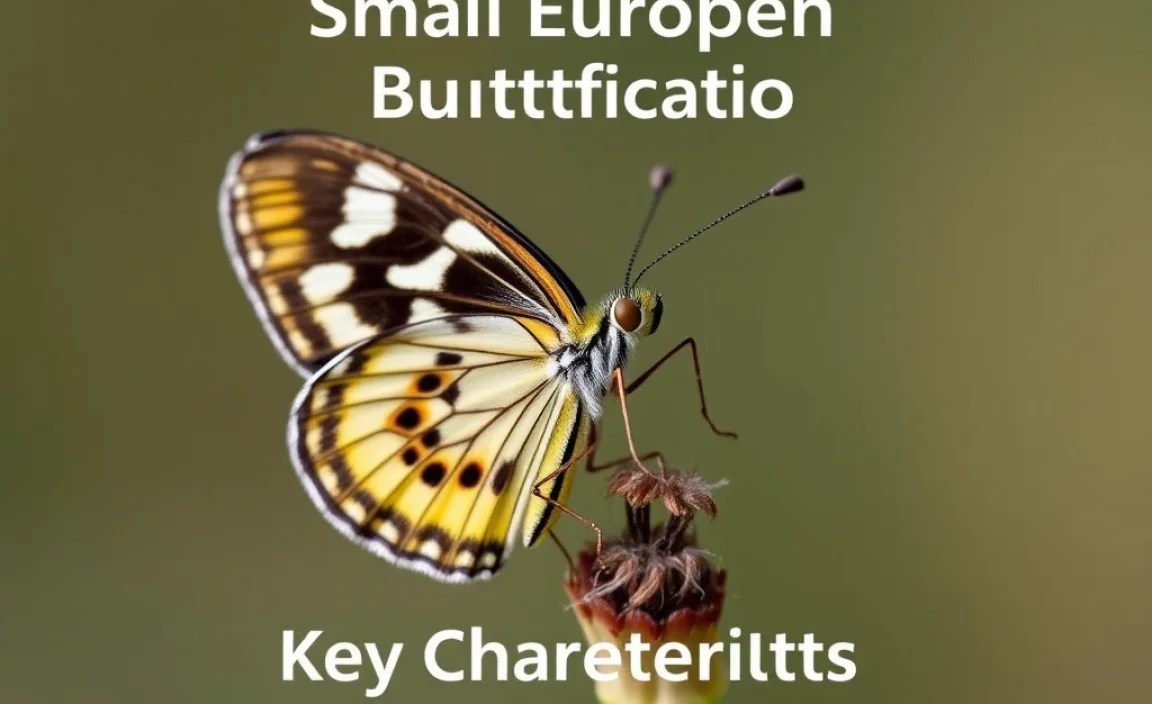
To accurately identify small European butterflies, you need to pay close attention to specific details.
1. Wingspan and Size
Wingspan is a basic measurement. Use a ruler to estimate the butterfly’s wingspan while it is resting (if possible). Even a rough estimate helps narrow down possibilities.
2. Wing Color and Patterns
Color and pattern are crucial. Note the following:
- Base Color: Is it brown, orange, yellow, blue, or something else?
- Spots and Markings: Are there spots, stripes, or other distinct markings? Where are they located on the wings?
- Border Patterns: What does the edge of the wing look like? Fringed? Solid color?
3. Underside Patterns
The underside of the wings often has different patterns than the top. Try to get a good look at the underside when the butterfly is at rest. This can be critical for distinguishing between similar species.
4. Shape and Structure
Wing shape varies among species. Some have rounded wings, while others are more angular or have tails. The presence or absence of tails is a key identifying feature.
5. Habitat and Location
Where you see the butterfly can be a big clue. Different species prefer different habitats. For example, some like meadows, while others prefer woodland edges. Consider the following:
- Geographic Range: Is the butterfly known to occur in your region?
- Habitat Type: Was it in a field, forest, garden, or wetland?
6. Flight Behavior
Observe how the butterfly flies. Some have a rapid, erratic flight, while others glide more gracefully. Note if they tend to stay close to the ground or fly higher up.
7. Host Plants
Butterflies lay their eggs on specific “host plants” that the caterpillars will eat. If you see a butterfly repeatedly visiting a particular plant, that plant might be its host. Knowing the local host plants can help narrow down possibilities.
Common Small European Butterflies: A Closer Look

Let’s explore some common small European butterflies, highlighting key identification features.
1. Small Heath (Coenonympha pamphilus)
A very common and widespread butterfly.
- Wingspan: 25-30 mm
- Color: Orange-brown with a greyish-brown underside.
- Markings: Small black spot near the tip of the forewing.
- Habitat: Grassland, heathland, and woodland edges.
2. Common Blue (Polyommatus icarus)
One of the most common and widespread blue butterflies.
- Wingspan: 30-40 mm
- Color: Male is bright blue; female is brown with varying amounts of blue.
- Markings: Both sexes have a row of orange spots along the edge of the hindwing underside.
- Habitat: Grassland, meadows, and gardens.
3. Small Copper (Lycaena phlaeas)
A bright and easily recognizable butterfly.
- Wingspan: 22-27 mm
- Color: Bright copper-orange with dark spots on the forewing.
- Markings: Greyish-brown hindwing with an orange band along the edge.
- Habitat: Grassland, heathland, and gardens.
4. Dingy Skipper (Erynnis tages)
A small, mottled brown butterfly that can be easily overlooked.
- Wingspan: 26-32 mm
- Color: Dark brown with faint lighter markings.
- Markings: Mottled appearance, lacking bright colors or distinct patterns.
- Habitat: Grassland, chalk downland, and woodland rides.
5. Wall Brown (Lasiommata megera)
A butterfly often found basking in sunny spots.
- Wingspan: 38-42 mm
- Color: Orange-brown with dark brown markings.
- Markings: Distinct black eyespots with white pupils on both forewings and hindwings.
- Habitat: Walls, hedgerows, and rocky areas.
6. Holly Blue (Celastrina argiolus)
A beautiful blue butterfly associated with trees and shrubs.
- Wingspan: 30-34 mm
- Color: Pale blue with a broad black border (males have a narrower border). Underside is pale blue with small black spots.
- Markings: Distinct black spots on the underside.
- Habitat: Gardens, parks, and woodland edges with holly and ivy.
Tools and Resources for Identification
Several resources can help you identify small European butterflies.
1. Field Guides
A good field guide is essential. Look for guides with detailed descriptions, photographs, and range maps. Some popular choices include:
- Collins Butterfly Guide
- Butterflies of Britain and Europe (Toms West)
- Field Guide to the Butterflies of Britain and Ireland (Manley & Allcard)
2. Online Resources
Websites and apps can provide additional information and identification tools.
- Butterfly Conservation (UK): butterfly-conservation.org – Offers species guides, identification tips, and recording schemes.
- iNaturalist: iNaturalist.org – A community science platform where you can upload photos and get help with identification.
- UK Butterflies: ukbutterflies.co.uk – A comprehensive resource for UK butterflies with detailed species accounts and photos.
3. Butterfly Identification Apps
Several apps are available for smartphones that can help identify butterflies based on photos. These can be useful, but remember that they are not always 100% accurate.
4. Local Experts and Groups
Joining a local butterfly or naturalist group is a great way to learn from experienced enthusiasts. They can provide valuable insights and help you identify butterflies in your area.
Step-by-Step Identification Process
Here’s a structured approach to identifying small European butterflies.
Step 1: Observe and Record
Carefully observe the butterfly and take detailed notes or photos. Note the date, time, location, habitat, size, color, markings, and behavior.
Step 2: Narrow Down Possibilities
Use a field guide or online resource to narrow down the possibilities based on the butterfly’s size, color, and markings. Consider the location and habitat.
Step 3: Compare with Similar Species
Once you have a few possible species, compare your observations with detailed descriptions and photos. Pay close attention to subtle differences in markings and patterns.
Step 4: Confirm with Experts (If Needed)
If you are still unsure, consult with a local expert or post your photos on an online forum for help. Provide as much detail as possible about your observation.
Creating a Butterfly-Friendly Garden
Attracting butterflies to your garden not only provides you with beautiful sightings but also supports their conservation. Here’s how to create a butterfly-friendly habitat.
1. Plant Host Plants
Provide the specific plants that butterflies need to lay their eggs. Some examples include:
- Common Blue: Bird’s-foot Trefoil
- Small Copper: Common Sorrel
- Holly Blue: Holly and Ivy
2. Provide Nectar Sources
Plant flowers that provide nectar for adult butterflies. Choose a variety of colors and shapes to attract different species. Good choices include:
- Buddleja (Butterfly Bush)
- Lavender
- Sedum
- Thyme
3. Offer Shelter and Basking Spots
Butterflies need shelter from wind and rain, as well as sunny spots to bask in. Provide shrubs, trees, and rocks for them to use.
4. Avoid Pesticides
Pesticides can harm or kill butterflies and other beneficial insects. Use organic gardening practices to protect them.
5. Provide Water
Butterflies need water, but they can’t drink from open water sources. Provide a shallow dish with wet sand or pebbles for them to drink from.
The Importance of Butterfly Conservation
Butterflies are important pollinators and indicators of environmental health. Many species are threatened by habitat loss, climate change, and pesticide use. Supporting butterfly conservation is crucial for maintaining biodiversity and healthy ecosystems.
How You Can Help
- Create butterfly-friendly habitats in your garden or community.
- Support butterfly conservation organizations.
- Record your butterfly sightings to help monitor populations.
- Educate others about the importance of butterfly conservation.
Small European Butterflies: Detailed Species Table
| Species | Wingspan (mm) | Color | Key Markings | Habitat |
|---|---|---|---|---|
| Small Heath (Coenonympha pamphilus) | 25-30 | Orange-brown | Small black spot on forewing | Grassland, heathland |
| Common Blue (Polyommatus icarus) | 30-40 | Male: Blue, Female: Brown/Blue | Orange spots on hindwing underside | Grassland, meadows |
| Small Copper (Lycaena phlaeas) | 22-27 | Copper-orange | Dark spots on forewing, orange band on hindwing | Grassland, gardens |
| Dingy Skipper (Erynnis tages) | 26-32 | Dark brown | Mottled appearance, faint markings | Grassland, chalk downland |
| Wall Brown (Lasiommata megera) | 38-42 | Orange-brown | Black eyespots with white pupils | Walls, hedgerows |
| Holly Blue (Celastrina argiolus) | 30-34 | Pale Blue | Black spots on underside | Gardens, woodlands |
Frequently Asked Questions (FAQ)
1. What is the best field guide for identifying European butterflies?
The Collins Butterfly Guide is widely regarded as one of the best field guides for identifying European butterflies. It features detailed descriptions, illustrations, and range maps.
2. How can I attract more butterflies to my garden?
To attract more butterflies, plant a variety of nectar-rich flowers and host plants for caterpillars. Provide shelter, basking spots, and a water source, and avoid using pesticides.
3. What is a host plant?
A host plant is a specific plant species that a butterfly uses to lay its eggs. The caterpillars will then feed on the leaves of this plant.
4. Are butterfly identification apps reliable?
Butterfly identification apps can be helpful, but they are not always 100% accurate. It’s best to use them in conjunction with field guides and other resources, and to verify the identification with an expert if possible.
5. What should I do if I find an injured butterfly?
If you find an injured butterfly, you can try to help it by providing it with a sugar-water solution (1 part sugar to 4 parts water) on a cotton ball. Place the butterfly in a safe, sheltered location and allow it to feed.
6. Why are butterfly populations declining?
Butterfly populations are declining due to habitat loss, climate change, pesticide use, and other environmental factors. Conservation efforts are needed to protect these important insects.
7. How can I contribute to butterfly conservation?
You can contribute to butterfly conservation by creating butterfly-friendly habitats, supporting conservation organizations, recording your butterfly sightings, and educating others about the importance of butterfly conservation.
Conclusion
Identifying small European butterflies can be a rewarding and fascinating hobby. By paying attention to key characteristics like size, color, markings, habitat, and behavior, you can learn to distinguish between different species. Use the tools and resources available, and don’t be afraid to ask for help from experts. By creating butterfly-friendly habitats and supporting conservation efforts, you can play a vital role in protecting these beautiful and important creatures. Happy butterflying!


