
Avoid Asian Butterfly Misidentifications: Smart Guide

Have you ever seen a butterfly and wondered what kind it was? Butterflies are beautiful. They fly around in gardens and parks. Some butterflies look very similar. This can lead to Asian butterfly misidentifications. It’s easy to mix them up. Let’s learn about how this happens. We can also learn how to tell them apart.
Imagine you see a yellow butterfly. Is it a Common Grass Yellow? Or is it a Lemon Emigrant? They both live in Asia. They both have yellow wings. Telling them apart can be tricky. Even experts sometimes make mistakes. This article will help you learn more. We will explore the world of Asian butterfly misidentifications.
Why does it matter if we mix up butterflies? Well, knowing the right name helps us learn about them. It helps scientists study them. It also helps protect them. Some butterflies are rare. If we don’t know which ones they are, we can’t help them. So, let’s dive in and become butterfly experts!
Key Takeaways
- Asian butterfly misidentifications can hinder conservation efforts and scientific research.
- Key differences exist in wing patterns, size, and habitat for similar species.
- Careful observation is crucial to identify butterflies correctly in the field.
- Resources like field guides and online databases can help with identification.
- Understanding butterfly behavior aids in distinguishing similar-looking species.
Understanding Asian Butterfly Misidentifications
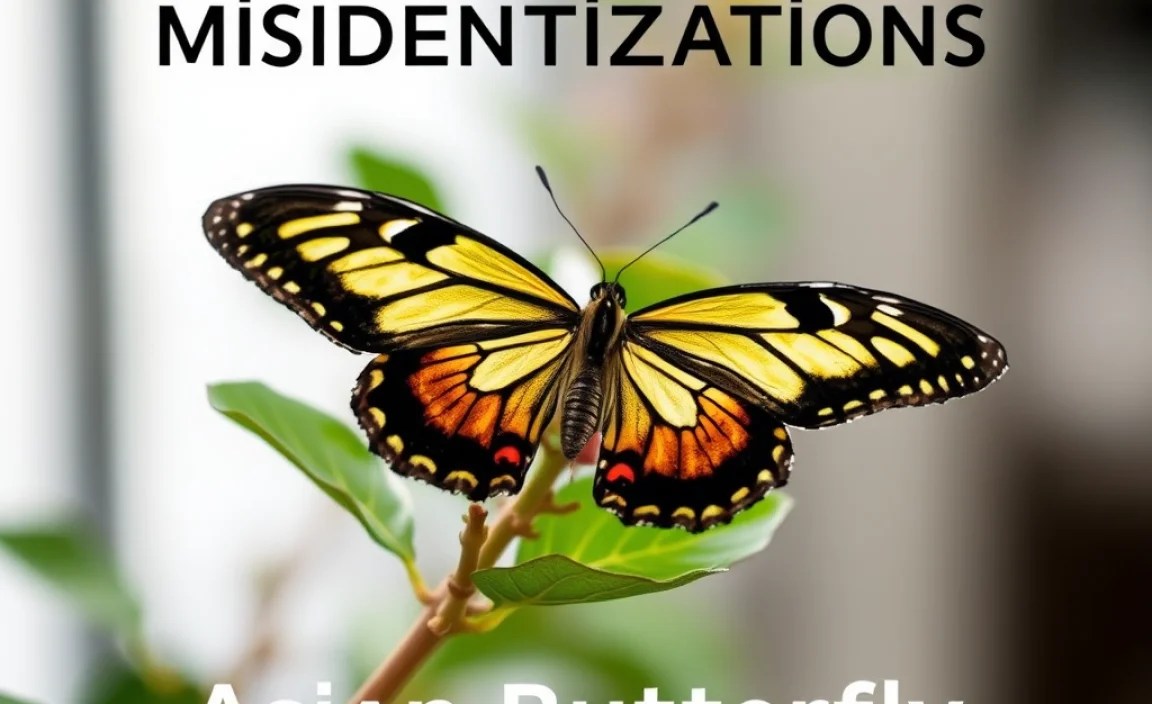
Asian butterfly misidentifications are common. Asia has many different butterflies. Some look very much alike. This can confuse people. Even experienced butterfly watchers make mistakes. Several factors contribute to these errors. Wing patterns can be very similar. Sizes can also be close. Habitats may overlap. Sometimes, the same butterfly has different forms. These forms change with the seasons. All these things make identification harder. Using the wrong name for a butterfly can cause problems. Scientists might study the wrong species. Conservation efforts could be misdirected. This is why it’s important to be careful. We need to use the best tools. Field guides and experts can help. Learning about butterfly behavior helps too. By understanding the challenges, we can improve. We can reduce Asian butterfly misidentifications.
- Wing patterns can be very similar between species.
- Butterfly sizes may overlap, causing confusion.
- Many species share the same habitats.
- Seasonal changes can alter butterfly appearances.
- Field guides are useful tools for correct identification.
- Experts can help with difficult identifications.
To get better at identifying butterflies, we can practice. We can start by learning about common butterflies in our area. We can look closely at their wings. Notice the colors and patterns. Pay attention to their size. Where do they live? What do they eat? How do they fly? All these things can help. Taking photos can be helpful. Then we can compare them to pictures in a field guide. We can also ask an expert. With practice, we will become better at telling butterflies apart. We can help reduce Asian butterfly misidentifications. This will help protect these beautiful creatures.
Fun Fact or Stat: There are over 1,000 species of butterflies in Asia!
Why Are Butterflies So Diverse?
Have you ever wondered why there are so many kinds of butterflies? Butterflies have adapted to different environments. Asia has many different habitats. There are rainforests, mountains, and deserts. Each habitat has its own plants. Butterflies eat these plants. Over time, different butterflies have evolved. They have changed to fit their environment. This is why we see so many different colors and patterns. Some butterflies have bright colors to attract mates. Others have camouflage to hide from predators. The more we learn about butterflies, the more we appreciate their diversity. Understanding their evolution can help us avoid Asian butterfly misidentifications. It’s like a puzzle, and each piece (butterfly) has its unique place.
How Does Climate Affect Butterflies?
Climate plays a big role in butterfly life. Temperature affects how fast they grow. Rainfall affects the plants they eat. In some areas, there are wet and dry seasons. Butterflies may look different in each season. This is because they adapt to the weather. Some butterflies migrate to find better conditions. They fly long distances. Climate change is now affecting butterflies. Their habitats are changing. Some butterflies are moving to new areas. This can make identification even harder. We need to understand how climate affects butterflies. This will help us protect them. It can also help prevent Asian butterfly misidentifications. Imagine if your home changed every year – butterflies have to adapt to that!
What Role Do Plants Play?
Plants are very important to butterflies. Butterflies lay their eggs on plants. Caterpillars eat the leaves of plants. Adult butterflies drink nectar from flowers. Different butterflies eat different plants. This is why certain butterflies live in certain areas. If the plants disappear, so do the butterflies. Protecting plants is important for butterfly conservation. When identifying butterflies, it helps to know what plants are nearby. Some butterflies are named after the plants they eat. For example, the Common Rose butterfly eats rose plants. Knowing the plant can help you identify the butterfly. Understanding these plant-butterfly connections helps avoid Asian butterfly misidentifications. It’s like knowing what a chef needs in their kitchen to make a special dish.
Common Cases of Asian Butterfly Misidentifications

Some Asian butterfly misidentifications happen more often than others. Certain species look very similar to each other. The Common Grass Yellow and Lemon Emigrant are often confused. Both are yellow and found in similar areas. The Blue Triangle and Common Jay can also be tricky. They both have black and blue markings. The Cruiser and Commander butterflies share a similar size and shape. Paying close attention to small details is important. Wing patterns, size, and location can help. Using a good field guide is also useful. It’s important to check multiple features. Don’t rely on just one thing. By learning about common mistakes, we can avoid them. We can become better butterfly identifiers. We can help protect these beautiful insects.
- Common Grass Yellow and Lemon Emigrant are often confused.
- Blue Triangle and Common Jay have similar markings.
- Cruiser and Commander butterflies share size and shape.
- Small differences in wing patterns are important.
- Location can help distinguish similar species.
- Good field guides provide detailed information.
To improve your identification skills, practice regularly. Visit local parks and gardens. Look for butterflies. Take pictures and compare them to field guides. Join a butterfly watching group. Learn from experienced butterfly watchers. Share your observations with others. Online forums can be helpful. There are many resources available to help you learn. Don’t be afraid to ask questions. Everyone makes mistakes sometimes. The important thing is to learn from them. With practice and patience, you can become a butterfly expert. You can help reduce Asian butterfly misidentifications. This will benefit both science and conservation.
Fun Fact or Stat: Many butterflies have specific “mud-puddling” behaviors, gathering minerals from wet soil.
What Are Look-Alike Species?
Look-alike species are different butterflies. They have very similar appearances. This can make them hard to tell apart. These similarities can be due to evolution. Some butterflies mimic other species. This helps them avoid predators. Mimicry means one butterfly looks like another. The mimic is often harmless. The model is often poisonous or distasteful. Birds learn to avoid the distasteful butterfly. They also avoid the mimic. This protects both species. Look-alike species can cause Asian butterfly misidentifications. Careful observation is needed to tell them apart. It’s like spotting twins – you have to look closely for the differences!
Why Is Location Important?
Location is a key factor in butterfly identification. Different butterflies live in different areas. Some prefer forests. Others prefer grasslands. Knowing where a butterfly was seen can help narrow down the possibilities. Some butterflies are only found in certain countries. Others are found across a wider range. Climate and plants affect where butterflies can live. Checking the location in a field guide can be helpful. This can eliminate some species from consideration. Location data combined with other features improves accuracy. Always consider where you saw the butterfly. This is a simple, but powerful clue. Using location helps prevent Asian butterfly misidentifications. Think of it like knowing the address to find the right house.
How Can Mimicry Confuse Identification?
Mimicry is a clever trick some butterflies use. One butterfly copies the look of another. This can confuse predators. It can also confuse butterfly watchers. Mimicry makes identification harder. Some harmless butterflies mimic poisonous ones. This protects them from being eaten. Other butterflies mimic each other. This can provide mutual protection. When identifying butterflies, be aware of mimicry. Look for other clues. Check the butterfly’s behavior. Consider its location. Mimicry is a fascinating adaptation. It also presents a challenge. Understanding mimicry helps avoid Asian butterfly misidentifications. It’s like trying to tell the difference between a real and a fake!
Tools and Resources for Butterfly Identification
Many tools and resources can help with butterfly identification. Field guides are essential. They provide pictures and descriptions of butterflies. Online databases are also helpful. They often include photos, distribution maps, and other information. Butterfly watching groups are a great resource. Experts can share their knowledge. Museums and nature centers often have butterfly collections. These collections can be used for comparison. Microscopes can help examine small details. Cameras allow you to take photos for later identification. Using a combination of these tools improves accuracy. It can reduce Asian butterfly misidentifications. Learning about these resources makes you a better butterfly identifier. It also helps protect these beautiful creatures.
- Field guides provide pictures and descriptions.
- Online databases offer photos and distribution maps.
- Butterfly watching groups offer expert advice.
- Museums have butterfly collections for comparison.
- Microscopes help examine small details.
- Cameras allow you to take photos for identification.
When using a field guide, take your time. Don’t rush the process. Compare the butterfly to the pictures carefully. Read the descriptions closely. Pay attention to key features. Note the size, shape, and color of the wings. Look for any unique markings. Consider the location and habitat. If you are unsure, ask an expert. Many online forums are dedicated to butterfly identification. Post a photo and ask for help. Be patient and wait for a response. Remember, even experts make mistakes. The key is to learn from your mistakes. By using these tools and resources, you can improve your skills. You can help reduce Asian butterfly misidentifications.
Fun Fact or Stat: Some field guides use “keys,” which are a series of questions to help narrow down the species!
What Makes a Good Field Guide?
A good field guide is easy to use. It has clear pictures. The descriptions are accurate. It covers all the butterflies in your area. It also includes information about their habitat. A good field guide is organized well. You can quickly find the butterfly you are looking for. It also includes information about similar species. This helps you tell them apart. The best field guides are updated regularly. This ensures the information is current. Look for field guides that are written by experts. These guides are more likely to be accurate. A good field guide is an essential tool. It helps avoid Asian butterfly misidentifications. It’s like having a roadmap for the butterfly world.
How Can Online Databases Help?
Online databases are powerful tools for butterfly identification. They offer many advantages. They often have more pictures than field guides. These pictures can show different variations of the same species. Online databases can be searched easily. You can search by location, color, or other features. They also include distribution maps. These maps show where the butterfly lives. Online databases are constantly updated. New information is added regularly. Some databases allow you to submit photos. Experts can then help you identify the butterfly. Be careful when using online databases. Not all the information is accurate. Always double-check with other sources. Online databases can help avoid Asian butterfly misidentifications. They are like having a library of butterfly information at your fingertips.
Why Join a Butterfly Watching Group?
Butterfly watching groups are a great way to learn about butterflies. You can meet other butterfly enthusiasts. You can learn from their experience. Butterfly watching groups often go on field trips. These trips allow you to see butterflies in their natural habitat. You can learn how to identify butterflies in the field. Butterfly watching groups often have experts. These experts can answer your questions. They can help you identify difficult species. They can also teach you about butterfly conservation. Joining a butterfly watching group is a fun way to learn. It can also help you become a better butterfly identifier. It helps reduce Asian butterfly misidentifications. It’s like joining a club where everyone shares your love for butterflies.
The Importance of Accurate Butterfly Identification

Accurate butterfly identification is very important. It helps scientists study butterflies. It helps protect them. If we misidentify butterflies, we can’t learn about them. We can’t track their populations. We can’t understand their behavior. This can lead to bad conservation decisions. Some butterflies are endangered. If we don’t know they are there, we can’t help them. Accurate identification is also important for research. Scientists use butterfly data to study climate change. They also study habitat loss. If the data is wrong, the results will be wrong. Therefore, it’s critical to reduce Asian butterfly misidentifications. This ensures our research is accurate. It ensures our conservation efforts are effective. It helps protect these beautiful creatures for future generations.
- Accurate identification helps scientists study butterflies.
- It helps protect endangered species.
- Correct data is important for climate change research.
- Misidentification can lead to bad conservation decisions.
- Tracking populations requires accurate identification.
- Understanding butterfly behavior depends on correct identification.
To promote accurate butterfly identification, we need education. We need to teach people about butterflies. We need to provide them with the right tools. Field guides, online resources, and expert advice are all helpful. We also need to encourage citizen science. People can report their butterfly sightings. This data can be used by scientists. By working together, we can improve our knowledge of butterflies. We can reduce Asian butterfly misidentifications. This will benefit both science and conservation. Every butterfly counts, and every accurate identification helps. This is a responsibility we all share to protect the environment.
Fun Fact or Stat: Butterfly data is used to assess the health of ecosystems!
How Does Misidentification Affect Research?
Misidentification can ruin research. If scientists study the wrong butterfly, their results will be wrong. They might draw the wrong conclusions. They might make bad recommendations. This can waste time and money. It can also harm the environment. For example, scientists might study a common butterfly. They might think it is a rare one. They might recommend protecting its habitat. But the habitat might not be important for the rare butterfly. This would be a waste of resources. Accurate identification is essential for good research. It helps ensure our efforts are effective. It helps prevent Asian butterfly misidentifications. It’s like building a house on a shaky foundation – the whole project could collapse.
Why Is It Important for Conservation?
Conservation is about protecting nature. Butterflies are part of nature. Some butterflies are endangered. They need our help to survive. If we misidentify butterflies, we can’t protect them. We might protect the wrong species. We might protect the wrong habitat. This can be harmful. For example, we might protect a habitat for a common butterfly. But the endangered butterfly might need a different habitat. We need to know which butterflies are endangered. We need to know where they live. We need to know what they need to survive. Accurate identification is essential for conservation. It helps us protect the right species. It helps us protect their habitats. It helps prevent Asian butterfly misidentifications. It’s like being a doctor – you need the right diagnosis to give the right treatment.
What Role Does Citizen Science Play?
Citizen science is when regular people help with scientific research. Anyone can be a citizen scientist. You don’t need to be a scientist. You just need to be curious and observant. Citizen scientists can report butterfly sightings. They can take photos and share them online. This data can be used by scientists. It helps them track butterfly populations. It helps them understand butterfly behavior. Citizen science can also help identify new species. It can help discover new habitats. Citizen science is a valuable tool. It helps scientists collect data. It helps them understand the world around us. It helps prevent Asian butterfly misidentifications. It’s like having a team of helpers all over the world!
Butterfly Anatomy and Key Identification Features
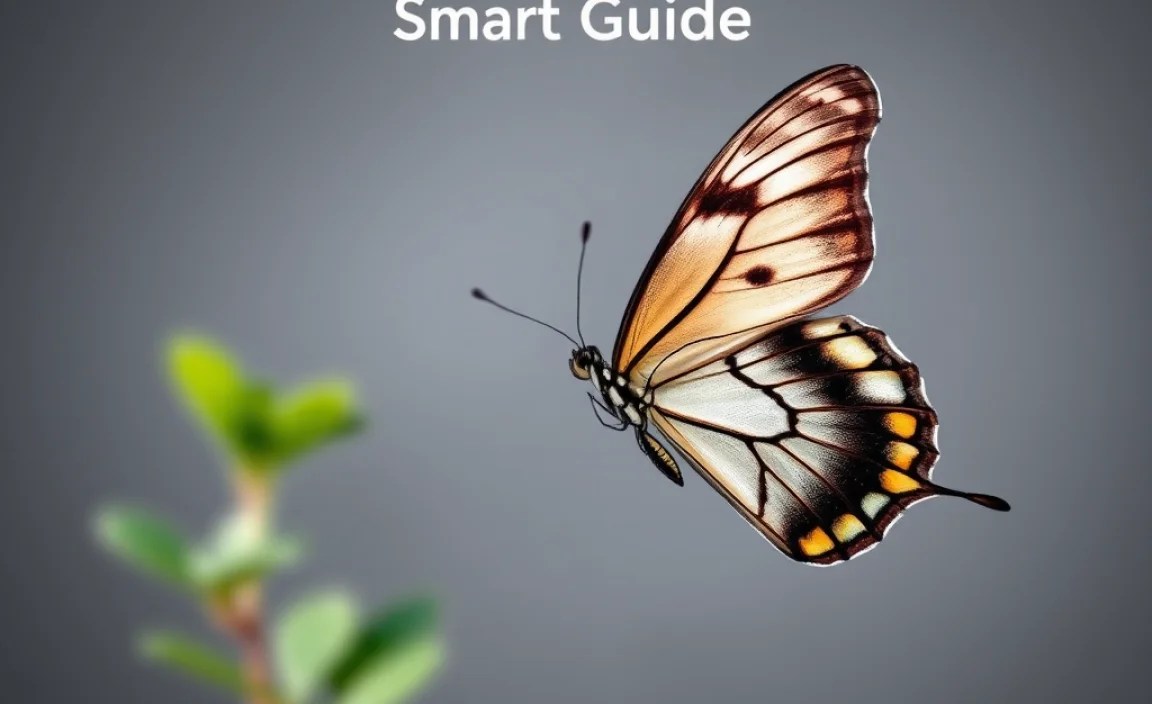
Understanding butterfly anatomy is useful. It helps you identify butterflies. Butterflies have three main body parts. These are the head, thorax, and abdomen. The head has eyes, antennae, and a proboscis. The thorax has wings and legs. The abdomen contains the digestive system. The wings are covered in tiny scales. These scales give butterflies their color. The patterns on the wings are important for identification. Look at the shape, size, and color of the spots and lines. Also, pay attention to the edges of the wings. Some butterflies have tails or other projections. The underside of the wings can be different. Check both sides. By understanding butterfly anatomy, we can improve our identification skills. We can reduce Asian butterfly misidentifications. It’s like learning the parts of a car to understand how it works.
- Butterflies have three main body parts: head, thorax, and abdomen.
- The head has eyes, antennae, and a proboscis.
- The thorax has wings and legs.
- Wings are covered in tiny scales that give them color.
- Wing patterns are important for identification.
- Check both the upper and undersides of the wings.
When identifying butterflies, use a systematic approach. Start by looking at the overall size and shape. Then, examine the wing patterns. Note the colors and markings. Pay attention to the details. Are there any spots, stripes, or bands? What is the shape of the wing edges? Are there any tails or projections? Check the underside of the wings. It might have different patterns. Consider the location and habitat. What plants are nearby? What is the weather like? By using a systematic approach, you can avoid mistakes. You can reduce Asian butterfly misidentifications. This will help you become a more confident butterfly identifier.
Fun Fact or Stat: Butterfly wings are transparent; the scales give them color!
How Do Wing Patterns Help?
Wing patterns are like fingerprints for butterflies. Each species has its own unique pattern. These patterns can be very complex. They can include spots, stripes, and bands. The colors can also vary. Some butterflies have bright colors. Others have dull colors. The patterns serve different purposes. Some patterns attract mates. Other patterns help the butterfly hide. Some patterns mimic other species. When identifying butterflies, focus on the wing patterns. Look for key features. Note the size, shape, and location of the markings. This is a critical step to avoid Asian butterfly misidentifications. It’s like reading a map – the patterns guide you to the right species.
What Are the Key Body Parts to Observe?
When observing butterflies, pay attention to key body parts. The wings are the most important. Look at the shape, size, and pattern. Check both the upper and undersides. The antennae are also important. They can be different shapes and sizes. The legs can also have different features. Some butterflies have hairy legs. Others have smooth legs. The body shape can also be helpful. Some butterflies have long, slender bodies. Others have short, stout bodies. By observing these key body parts, you can gather important information. This information will help you identify the butterfly correctly. It helps to prevent Asian butterfly misidentifications. It’s like being a detective – you look for clues on different parts of the body.
Why Check Both Sides of the Wings?
It’s important to check both sides of the wings. The upper and undersides can look different. Some butterflies have bright colors on the upper side. The underside might be dull. Other butterflies have different patterns on each side. The underside patterns can help them camouflage. This helps them hide from predators. Checking both sides of the wings is essential for accurate identification. You might miss important clues if you only look at one side. This can lead to mistakes. Always take the time to examine both sides. This will help you avoid Asian butterfly misidentifications. It’s like reading a book – you need to see both the cover and the inside to understand the story.
Conservation Efforts and Protecting Butterfly Habitats
Protecting butterfly habitats is very important. Butterflies need specific plants to survive. They need places to lay their eggs. They need food for their caterpillars. They need nectar for the adults. Habitat loss is a major threat to butterflies. Forests are being cleared. Grasslands are being converted to farmland. Wetlands are being drained. Pollution is also a problem. Pesticides can kill butterflies. Climate change is also affecting butterflies. Their habitats are changing. Some butterflies are moving to new areas. We need to protect butterfly habitats. We can create butterfly gardens. We can plant native plants. We can reduce pesticide use. We can support conservation organizations. By protecting habitats, we can help butterflies survive. We can also reduce Asian butterfly misidentifications by better understanding their ranges.
- Habitat loss is a major threat to butterflies.
- Butterflies need specific plants to survive.
- Pesticides can kill butterflies.
- Climate change is affecting butterfly habitats.
- We can create butterfly gardens.
- We can support conservation organizations.
Conservation efforts require collaboration. Scientists, governments, and the public must work together. Scientists can study butterflies. They can identify threats. They can develop conservation plans. Governments can create protected areas. They can regulate pesticide use. The public can support conservation efforts. They can donate to conservation organizations. They can plant butterfly gardens. They can educate others about butterflies. By working together, we can make a difference. We can protect butterfly habitats. We can help butterflies survive. We can reduce Asian butterfly misidentifications through education and awareness.
| Conservation Action | Description | Benefits |
|---|---|---|
| Create Butterfly Gardens | Plant native plants that attract butterflies. | Provides food and shelter for butterflies. |
| Reduce Pesticide Use | Avoid using pesticides in your garden. | Protects butterflies from harmful chemicals. |
| Support Conservation Groups | Donate to organizations that protect butterfly habitats. | Helps fund conservation efforts. |
| Educate Others | Share information about butterflies and conservation. | Raises awareness and encourages action. |
Fun Fact or Stat: Some butterflies migrate thousands of miles each year!
How Can Butterfly Gardens Help?
Butterfly gardens provide food and shelter for butterflies. They attract butterflies to your yard. You can plant nectar plants for adult butterflies. You can also plant host plants for caterpillars. Host plants are the plants that caterpillars eat. Different butterflies eat different plants. Do some research to find out which plants are best for your area. Butterfly gardens can be beautiful and educational. They can also help butterflies survive. They can provide a safe haven from habitat loss. They are a great way to help butterflies. They also help to reduce Asian butterfly misidentifications by providing a space to observe them. It’s like building a restaurant for butterflies – they’ll come if you have the right food!
What Are the Effects of Pesticide Use?
Pesticides are chemicals that kill insects. They are used to control pests in gardens and farms. However, pesticides can also kill butterflies. They can also harm other beneficial insects. Pesticides can contaminate the environment. They can pollute the water and soil. They can also harm wildlife. Reducing pesticide use is important. We can use natural methods to control pests. We can plant pest-resistant plants. We can attract beneficial insects. We can also use organic pesticides. These pesticides are less harmful to the environment. Reducing pesticide use will help protect butterflies. It will also protect our environment. It also helps to reduce Asian butterfly misidentifications by keeping their populations healthy. It’s like taking medicine – too much can be harmful.
How Does Climate Change Affect Butterflies?
Climate change is affecting butterflies in many ways. Temperatures are rising. Rainfall patterns are changing. Habitats are shifting. Some butterflies are moving to new areas. Others are struggling to survive. Climate change can also affect butterfly food sources. Plants may bloom earlier or later than usual. This can disrupt the butterfly life cycle. We need to reduce greenhouse gas emissions. We can drive less. We can use less energy. We can support policies that reduce emissions. By addressing climate change, we can help butterflies survive. It can also help to reduce Asian butterfly misidentifications by stabilizing their habitats. It’s like a fever – if the Earth gets too hot, butterflies suffer.
Summary
Asian butterfly misidentifications are a common problem. Many species look very similar. This can lead to mistakes. These mistakes can affect research and conservation. Accurate identification is essential. It helps us study and protect butterflies. We can use several tools to improve our skills. Field guides, online databases, and expert advice are all helpful. Understanding butterfly anatomy is also important. We need to protect butterfly habitats. We can create butterfly gardens. We can reduce pesticide use. We can support conservation organizations. By working together, we can help butterflies survive. We can also improve our identification skills.
Conclusion
Butterflies are beautiful and important creatures. They play a vital role in our ecosystem. By learning about butterflies, we can appreciate them more. We can also help protect them. Accurate identification is essential for conservation. We can use several tools to improve our skills. We can also support conservation efforts. Together, we can reduce Asian butterfly misidentifications. We can ensure a bright future for these amazing insects.
Frequently Asked Questions
Question No 1: Why are Asian butterfly misidentifications so common?
Answer: Asian butterfly misidentifications are common because many species look very similar. This is especially true in Asia, where there is a high diversity of butterflies. Some species have similar wing patterns, colors, and sizes. It can be difficult to tell them apart, even for experts. Other factors contribute to misidentifications. These include seasonal variations and mimicry. Seasonal variations can change the appearance of butterflies. Mimicry is when one butterfly looks like another. This can confuse both predators and butterfly watchers.
Question No 2: What are some common examples of Asian butterfly misidentifications?
Answer: There are many examples of Asian butterfly misidentifications. The Common Grass Yellow and Lemon Emigrant are often confused. They both have yellow wings and are found in similar areas. The Blue Triangle and Common Jay are also tricky. They both have black and blue markings. The Cruiser and Commander butterflies share a similar size and shape. These are just a few examples. Many other species can be easily confused. Careful observation is needed to tell them apart. Using a good field guide is also essential.
Question No 3: How can I improve my butterfly identification skills?
Answer: There are several ways to improve your butterfly identification skills. First, study field guides and online resources. Learn about the different species in your area. Pay attention to key features. These include wing patterns, colors, and sizes. Second, practice observing butterflies in the field. Take your time and look closely. Take pictures and compare them to field guides. Third, join a butterfly watching group. Learn from experienced butterfly watchers. Fourth, ask questions. Don’t be afraid to ask for help. Fifth, be patient. It takes time and practice to become a good butterfly identifier.
Question No 4: What tools and resources are available for butterfly identification?
Answer: Many tools and resources can help with butterfly identification. Field guides are essential. They provide pictures and descriptions of butterflies. Online databases are also helpful. They often include photos, distribution maps, and other information. Butterfly watching groups are a great resource. Experts can share their knowledge. Museums and nature centers often have butterfly collections. These collections can be used for comparison. Microscopes can help examine small details. Cameras allow you to take photos for later identification. Using a combination of these tools improves accuracy, helping to prevent Asian butterfly misidentifications.
Question No 5: Why is accurate butterfly identification important?
Answer: Accurate butterfly identification is very important. It helps scientists study butterflies. It helps protect them. If we misidentify butterflies, we can’t learn about them. We can’t track their populations. We can’t understand their behavior. This can lead to bad conservation decisions. Some butterflies are endangered. If we don’t know they are there, we can’t help them. Accurate identification is also important for research. Scientists use butterfly data to study climate change. They also study habitat loss. If the data is wrong, the results will be wrong. Therefore, it’s critical to ensure that we are correct. Especially in cases that involve Asian butterfly misidentifications.
Question No 6: How can I help protect butterfly habitats?
Answer: There are many ways to help protect butterfly habitats. You can create a butterfly garden in your yard. Plant native plants that attract butterflies. Avoid using pesticides. Support conservation organizations that protect butterfly habitats. Educate others about the importance of butterflies and their habitats. Reduce your carbon footprint to help mitigate climate change. Climate change is a major threat to butterflies and their habitats. By taking these actions, you can make a difference. You can help butterflies survive and thrive. You can also help to reduce the chances of Asian butterfly misidentifications in the long run.


